
Global Transport and Logistics
customs clearance
“We clear the way for your business.”
About Export and Import Customs Clearance
Export Customs Clearance
Rules and regulations governing the export of goods differ from country to country but typically you must be prepared to provide the following documents for shipments transiting international frontiers
- An invoice from the seller to the buyer
- A packing list
- Way Bill
- Contract between buyer and seller
Import Customs Clearance
All goods for import into a country must conform to that country’s rules and regulations regarding the movement of legal goods.
In general, you should expect to provide the following documents required for import customs clearance:
- An invoice from the seller to the buyer
- A packing list
- Way Bill
- Contract between buyer and seller
4 Reasons for Clearance Delays at Ports and Borders

Random Customs Inspections
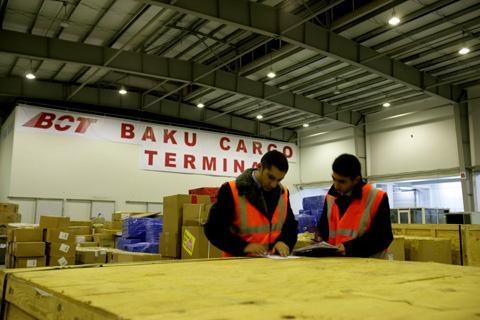
The job of a customs official is to ensure that illegal goods do not cross borders and that shippers don’t dodge payment of taxes and duties on their goods. Customs service officials cannot check every piece of cargo arriving at their posts, so they perform random checks on consignments of freight to deter smugglers. If the customs authority singles out your merchandise for a random check, a clearance delay will inevitably ensue.
Incomplete Documentation
The number of documents required for export and import customs clearance often stretches into double figures. A missing document could result in costly delays before your freight can clear customs. It is important to understand the precise documentation that authorities of the country of import and/or export require before your goods arrive at the frontier.
Prohibited/Restricted Goods
Issues with the Customs Declaration
Unless you ensure accurate and precise completion of your customs declaration, customs officials may hold your goods up until they receive all the correct information. They will reject customs invoices if, for example, the telephone numbers of the shipper and recipient are incorrect, the tax number of the receiver is missing, the Incoterms are not specified, goods descriptions are not accurate, and/or the HS code is incorrect.
What is legal and commonly used in one country may constitute illegal contraband in another. It is imperative to study the lists of banned and restricted goods in the countries of export and import to ensure that your merchandise can legally cross the border.